Author: Godwin

  • Transitioning from Scalps to Swings: The 8-Day Road Strategy

    Transitioning from Scalps to Swings: The 8-Day Road Strategy

    The Pivot

    “For the next eight days, I’ll be on the road for work. In this business, if you can’t give the 5-minute chart your 100% focus, the mechanical ‘One Candle’ scalping method stays on the shelf. Instead of sitting out, I’m shifting my capital into the Ross Givens ‘Insider’ Swing Method.”

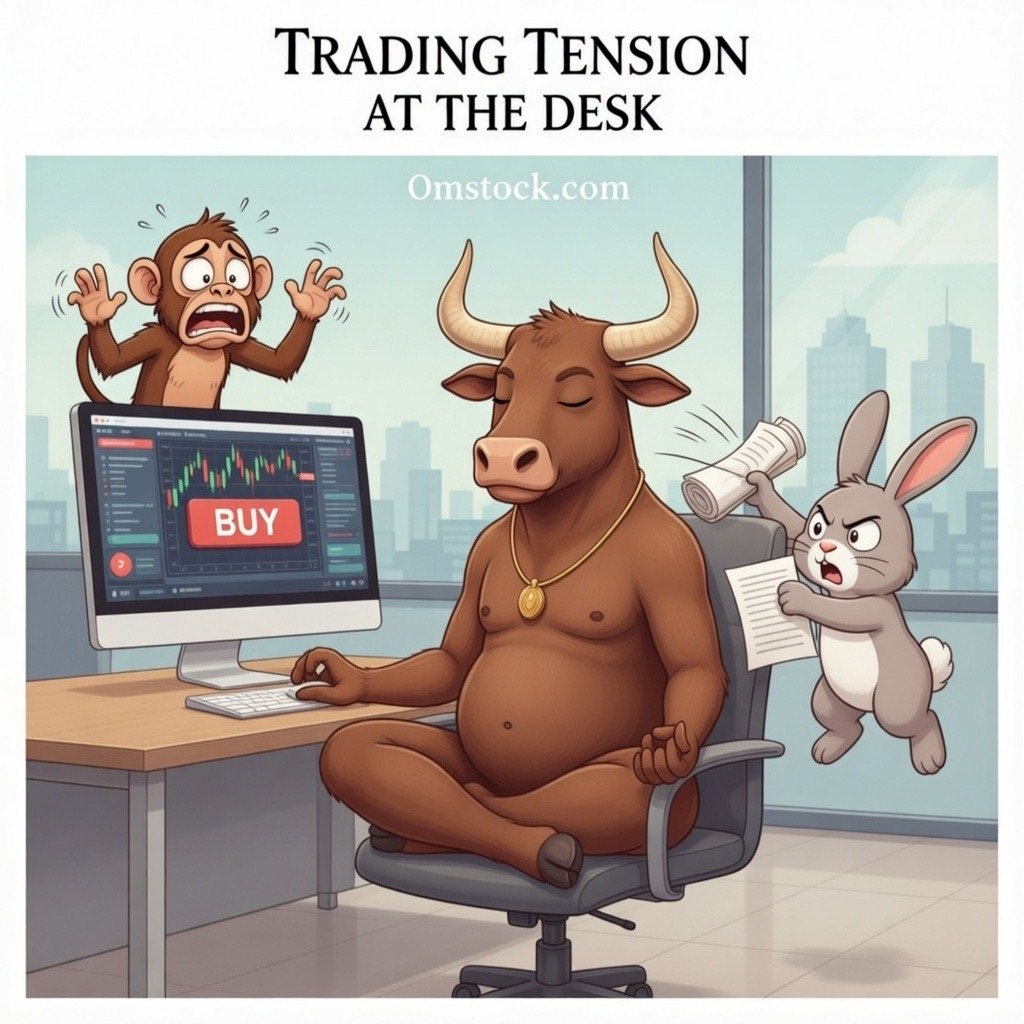
    Leaving the FOMO Monkey and Paper-Handed Rabbit Behind

    “Trading while traveling is the ultimate test of mindset. To make this work, I have to leave two characters behind at the trailhead:

    • The FOMO Monkey: When I’m away from the screen, the Monkey wants to whisper that I’m ‘missing the big move’ or that I should chase a price because an alert went off. I don’t listen. My ‘Buy Stop’ orders are already set. If the market doesn’t come to my price, I don’t chase the market.
    • The Paper-Handed Rabbit: When you aren’t staring at every tick, it’s easy to get spooked by a minor pullback and jump out of a trade too early. The Rabbit lives in fear. On this trip, I trust the ‘Insider Floor.’ My stop losses are hard-coded. I let the trade breathe while I focus on the road.”
    The Logic: Following the Smart Money

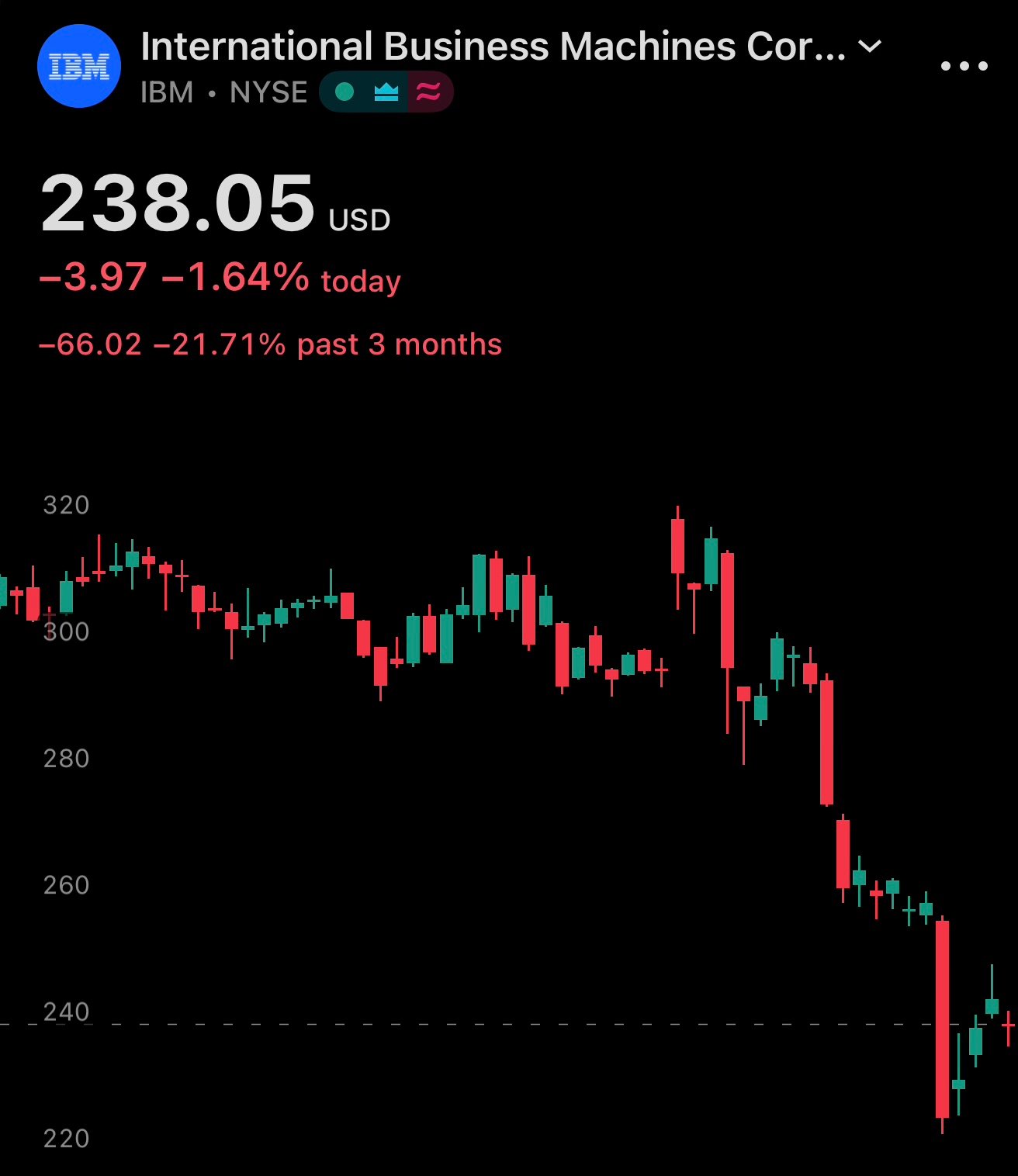
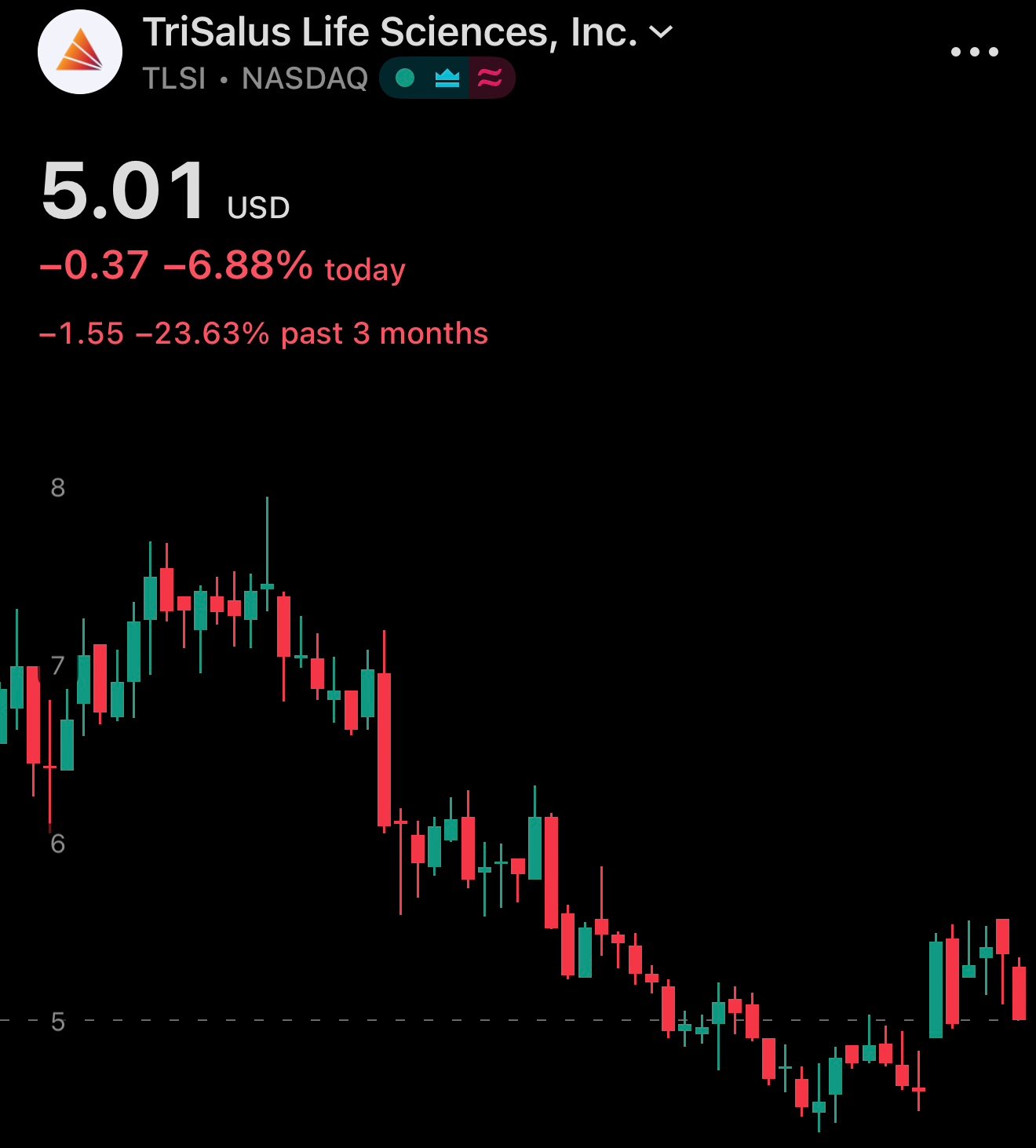
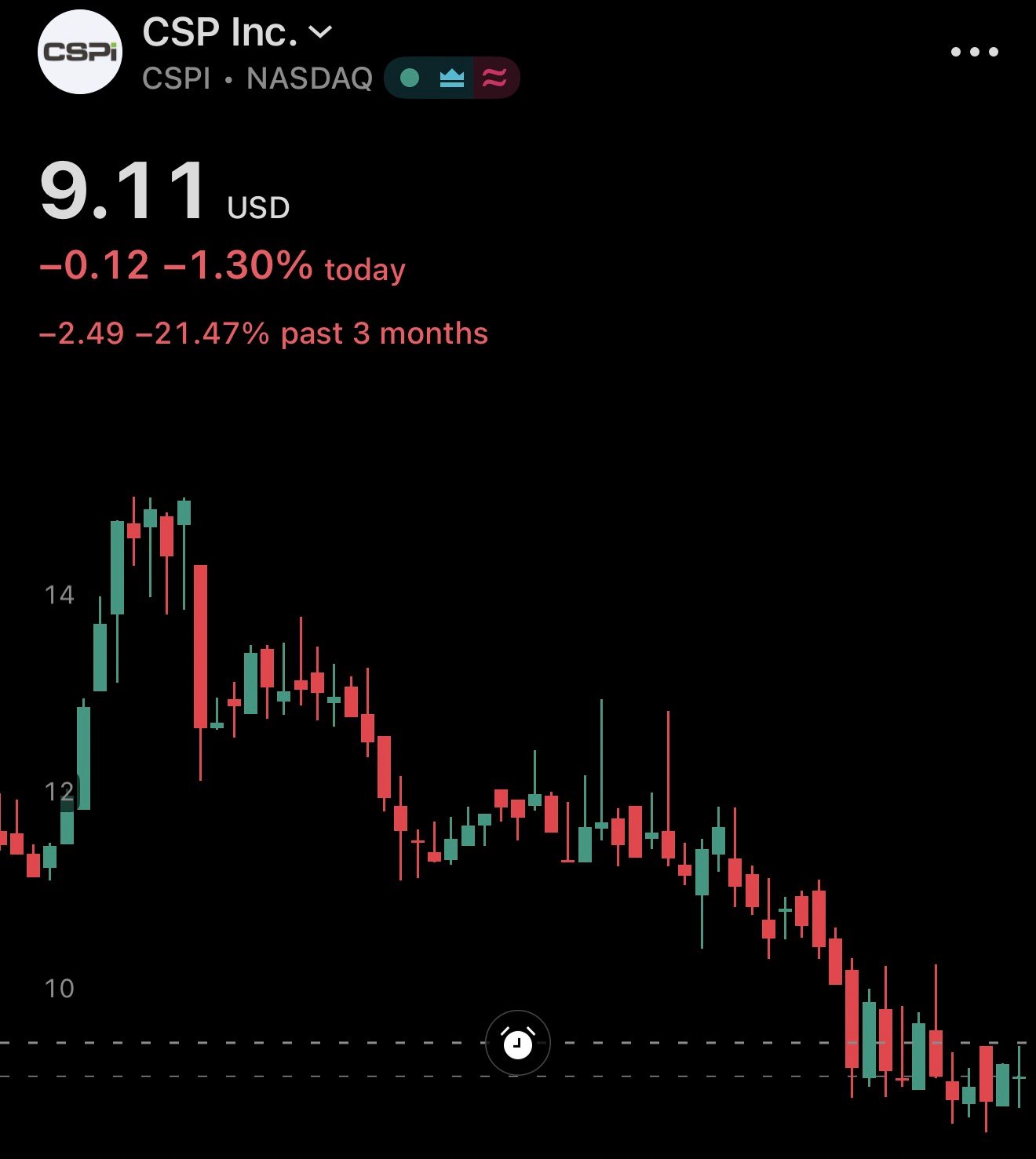
    “I’m looking for the ‘Coiled Spring’—stocks trading at a low level where the people running the company are buying with their own money. I’ve identified IBM, CSPI, and TLSI as the primary watches. By setting ‘Buy Stop’ orders above the current consolidation zones, I ensure the market proves it’s ready to break out before I risk a dime.”
    The Preparation

    “Being on the road requires a different kind of discipline. To keep my focus sharp and my energy steady, I’m sticking to high-protein, low-GI fuel like peanuts. It provides the long-burn energy needed for the day and the magnesium needed for recovery at night.
    Stabilize the body, and the trades follow. No Monkey, no Rabbit—just the Zen Bull.”
  • Trading the Void: My First XOM Scalp

    Trading the Void: My First XOM Scalp

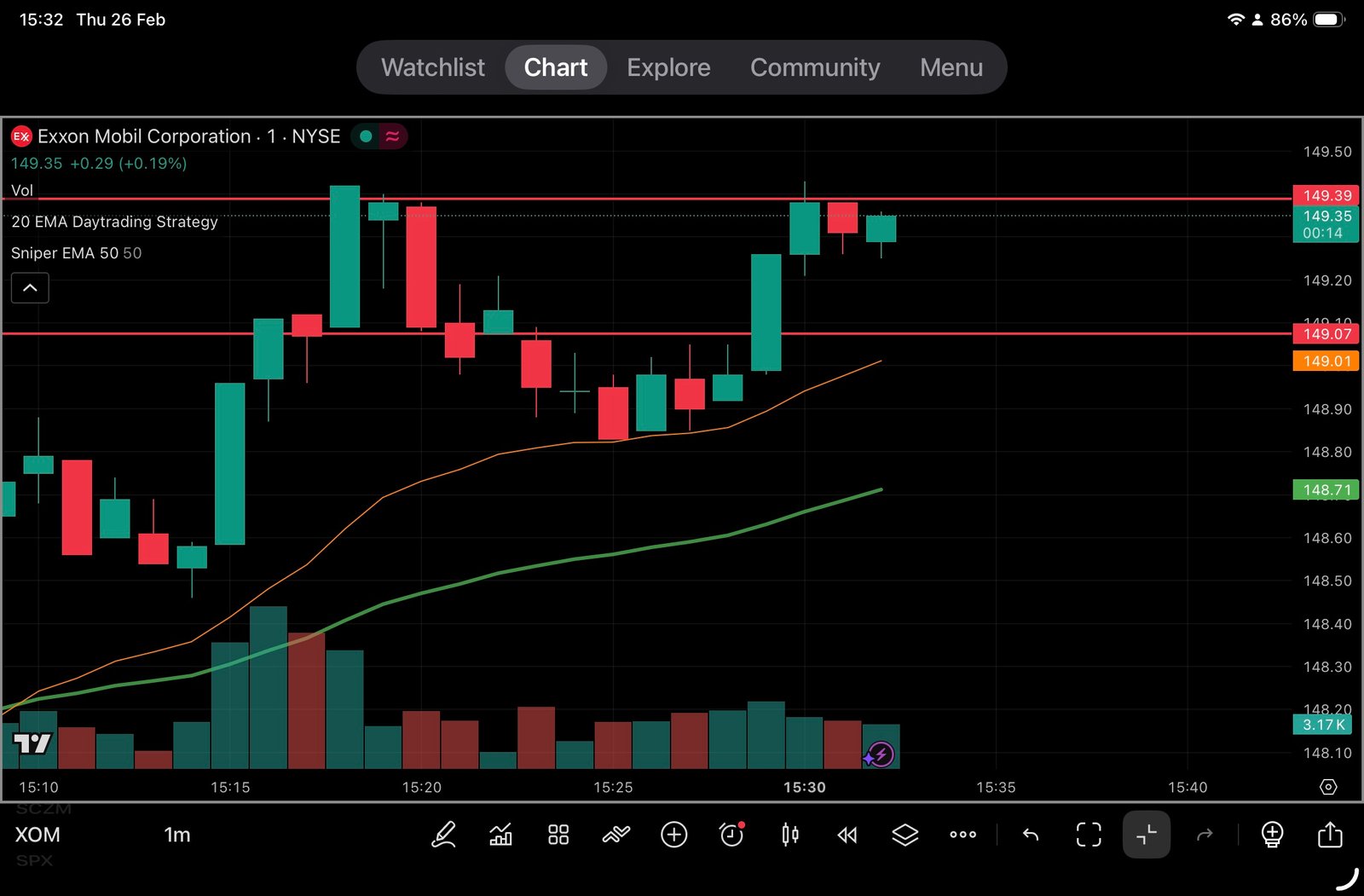
    Today was the first active step in the trading journey I’m documenting here. I traded Exxon Mobil (XOM) using a 1-minute chart strategy, but the real chart wasn’t on the screen—it was in my head.

    The Entry: The Grip of Fear

    When I put the money in, I felt fear.

    It’s an honest admission. Despite the preparation and the capital, that initial “Buy” click triggers a survival response. The mind immediately starts calculating the “what ifs.” This is the hurdle every trader must clear. If you can’t act while feeling that fear, you can’t follow a strategy.

    The Setup: The “One Candle” Rule

    I didn’t trade on a feeling; I traded on a mechanical signal.

    • The Logic: I waited for the market open to define a range. I identified a Bullish Order Block—a specific red candle on the 1-minute chart where institutional buyers stepped in.
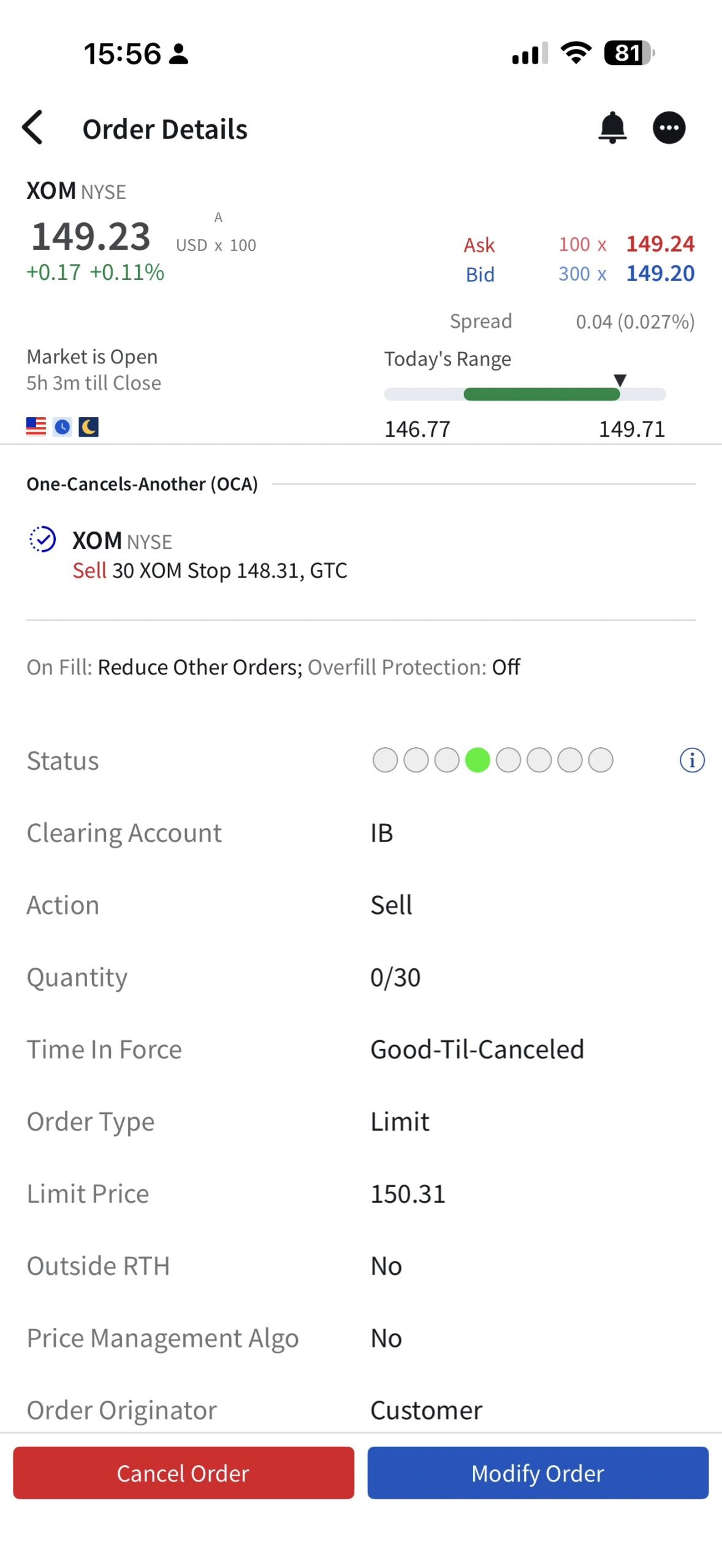
    • The Execution: I entered as a green candle broke above that block, setting an automated One-Cancels-Another (OCA) order.
    • The Numbers: Entry at $149.35, Stop Loss at $148.31, and a Limit Sell at $150.31.

    The Exit: The Power of Feeling Nothing

    A few minutes later, the trade hit the target. The order filled at $150.31 and the position closed.

    When the sale closed, I didn’t feel anything.

    This is the most important lesson I learned today. In the beginning, there is fear, but the goal is to reach a state of total detachment. If you are thrilled by a win, you are just as vulnerable as when you are terrified by a loss.

    Why “Boring” is Better

    Trading requires a cold, mechanical approach. If I am emotional, I am a “Paper-Handed Rabbit” or a “FOMO Monkey.” If I am detached, I am the Zen Bull.

    Today’s success wasn’t the $28.80 profit. The real success was reaching that state of “boring” neutrality. That is the only way to provide value and service to this journey in the long run.

    Metric Value Technical Context
    Asset Exxon Mobil (XOM) Chosen for liquidity and sector strength.
    Strategy One Candle Rule 1-Minute Bullish Order Block.
    Entry Price $149.35 Triggered on the break of the 15:31 red candle.
    Stop Loss $148.31 Protective floor to prevent the “CRASH” fear.
    Take Profit $150.31 2:1 Reward-to-Risk ratio target.
    Outcome Filled (Win) Order closed automatically via IBKR.
    Net Profit $28.80 Collected from 30 shares.
  • Riding the Waves and Finding Stillness in the Dips

    Riding the Waves and Finding Stillness in the Dips

    The market must breathe before it can run. Don’t let a micro-movement steal your macro-conviction.

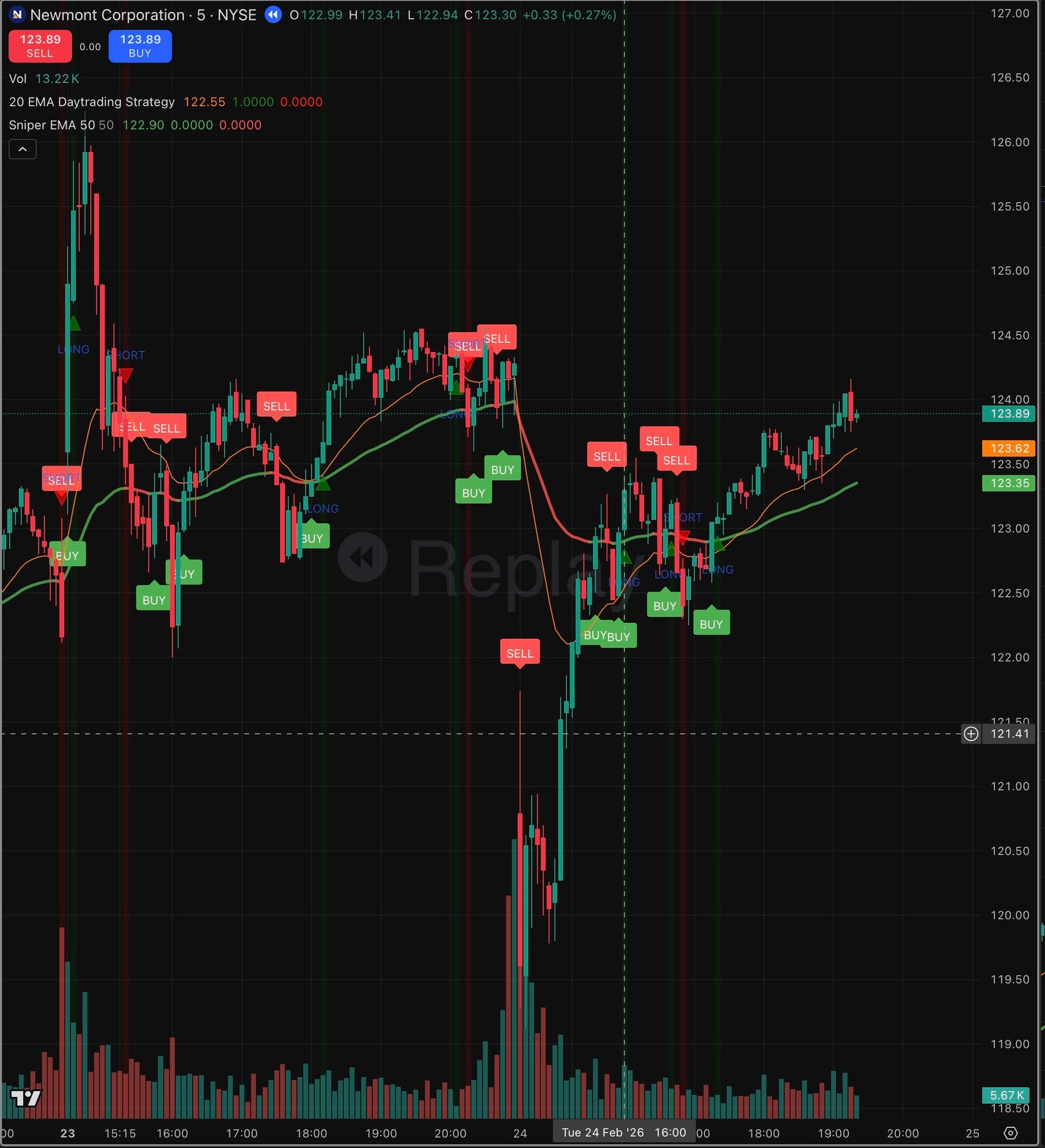
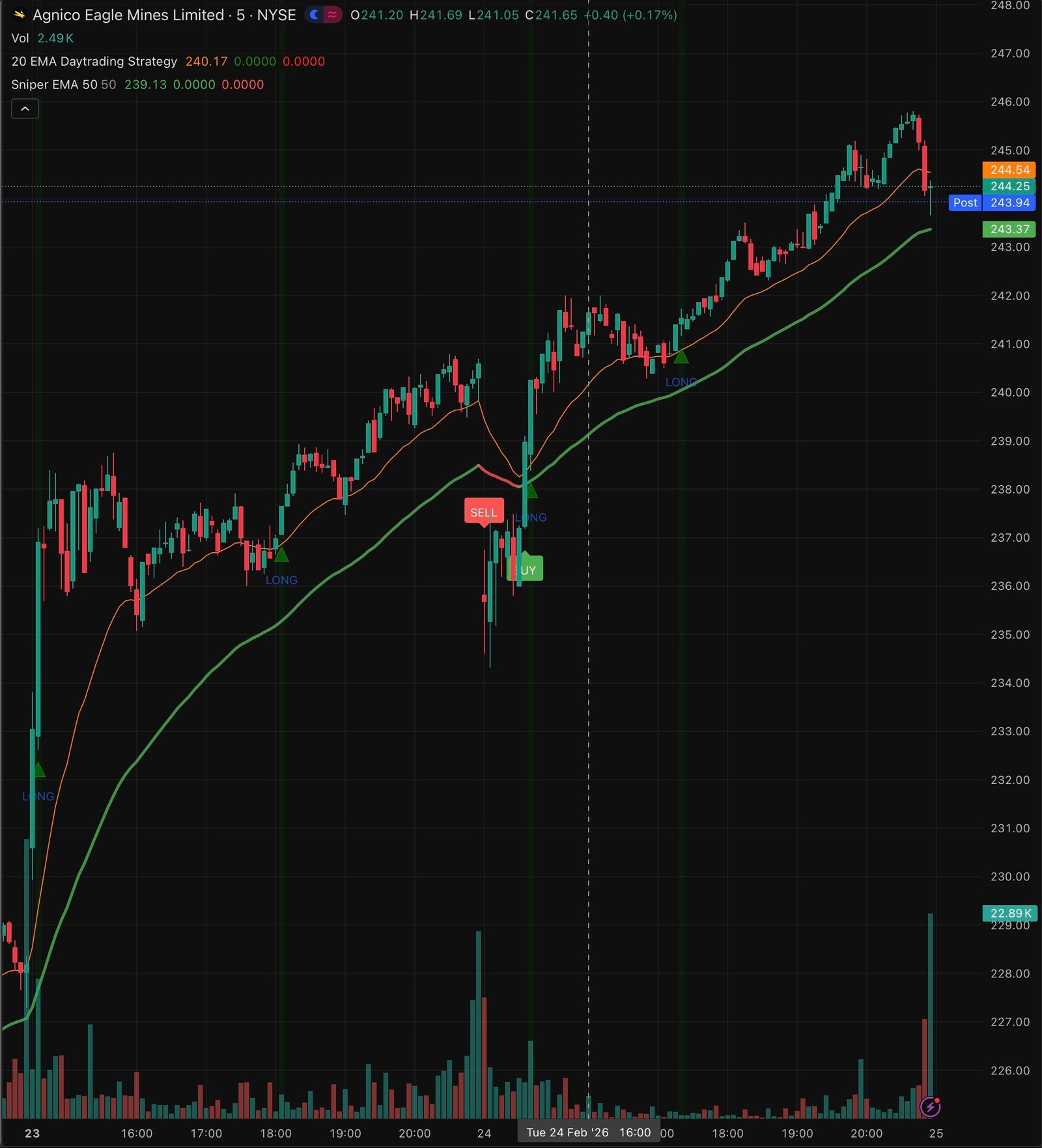
    I was looking at two charts yesterday that I’d traded the day before. I’d walked away with a modest profit from day trading, but seeing them rise again—mimicking the previous day’s gains—hit me with a flicker of regret. I’d missed the second wave. It’s clear these assets are in a “wavy” cycle right now.

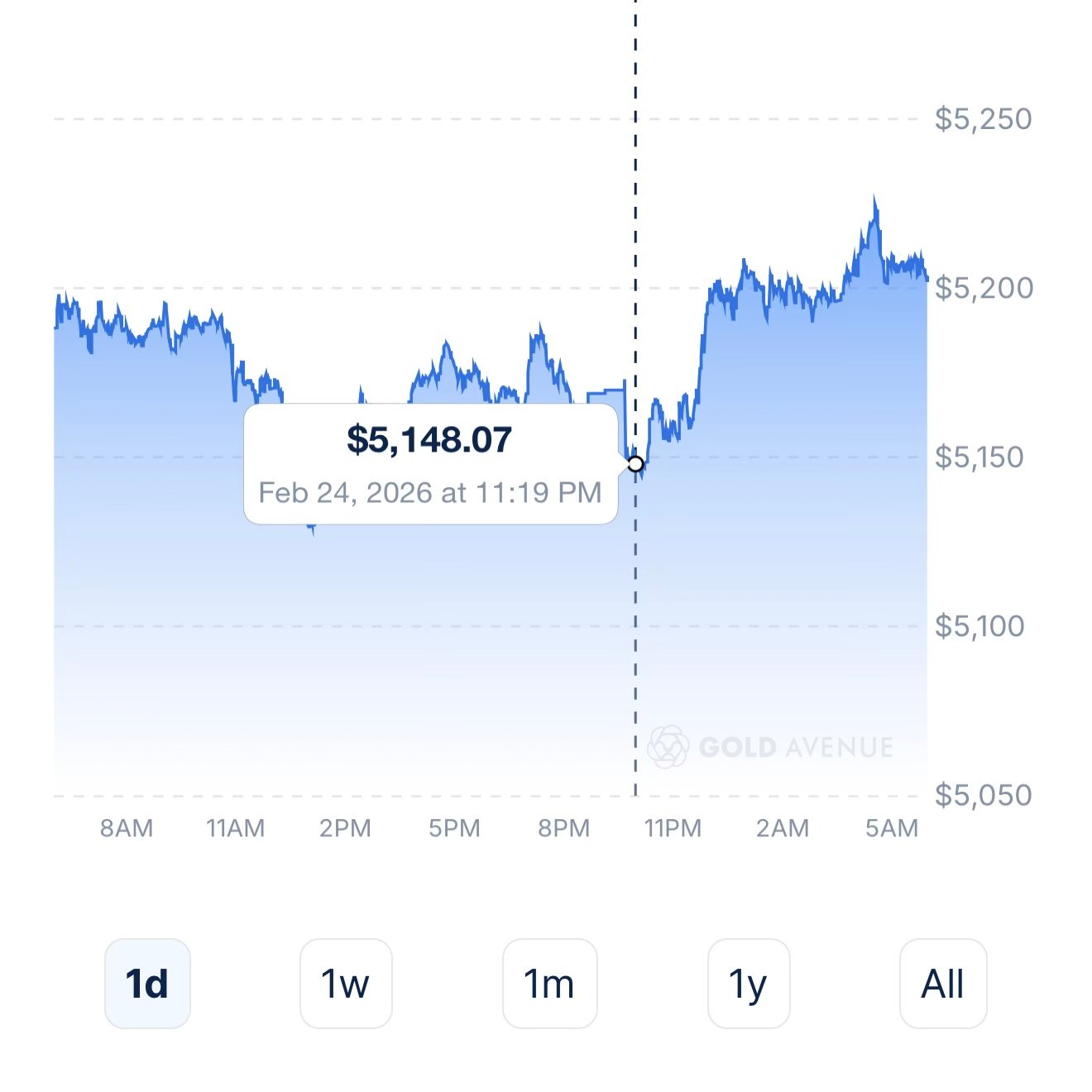
    Then, I turned my attention to gold. My mentor’s thesis is clear: gold is headed up, and when it moves, it will pull the mining companies with it. But in the moment, gold dipped. Even though I believe in the long-term play and the global tensions supporting it, that small downward swing sparked a moment of unease. I found myself questioning: Is it going lower? Did I miss something?

    Gold eventually recovered and moved back up, but the experience was a reminder of how easily micro-movements can affect your psychology. This is where awareness becomes the ultimate tool. Even when you have skin in the game and a firm belief in the asset, those small swings can still reach you. The challenge isn’t just predicting the market; it’s defending your peace of mind against the noise.

    The Zen Bull’s Lesson: How to Defend Your Peace

    If you find yourself feeling that “uneasiness” during a minor dip, here is how to stay grounded:

    • Zoom Out: Micro-movements are just the market breathing. If your long-term thesis (the global tension) hasn’t changed, the price wiggle shouldn’t change your mood.
    • Identify the Characters: Is the FOMO Monkey telling you that you’re losing out? Is the Paper-Handed Rabbit trying to make you jump too early? Recognizing these internal voices takes away their power.
    • The Cost of Admission: Volatility is the price we pay for the eventual “shoot up.” You cannot have the peak without sitting through the valley.
    • Label the Feeling: Instead of saying “I am worried,” say “I am observing a feeling of worry.” This small shift in awareness keeps you from acting impulsively.
  • Breathing Through the Red: My $1,000 “Real Capital” Baptism

    Breathing Through the Red: My $1,000 “Real Capital” Baptism

    February 24, 2026 | The $AG Journey

    Current Sentiment: Zen Bull 🐂 (with a Monkey 🐒 whispering in the ear)

    The end of the process.
    The end of the process.

    • Asset: $AG (First Majestic Silver)

    • Action: Holding the Line.

    • Price Level: Watching the $6.00 – $6.50 range.

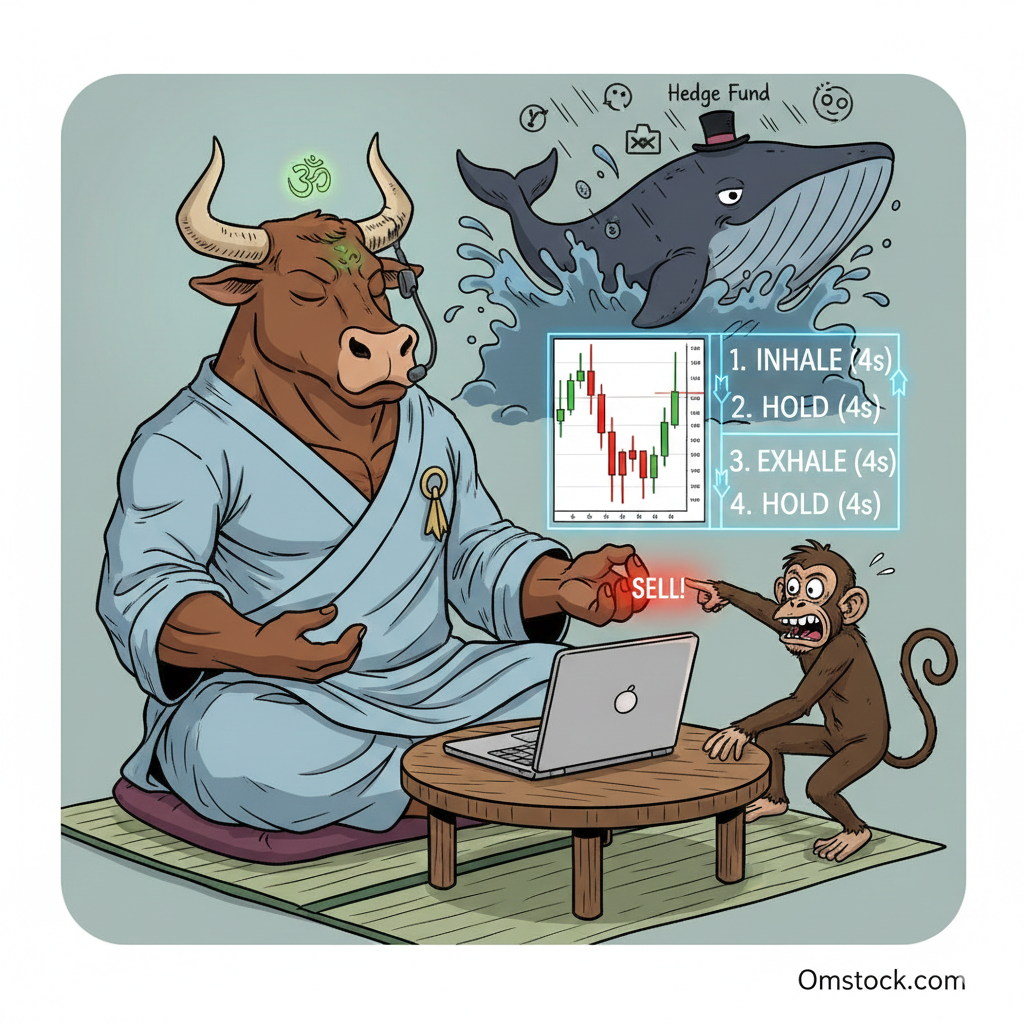
    • The Environment: The Hedge Fund Whale is churning the water. Silver is volatile, but the math says the support is holding. The Permabear Owl is hooting about a crash, but I’m looking at the data, not the noise.

    • The Struggle: The FOMO Monkey wanted to sell everything when it dipped, then buy more when it spiked 2%. He’s frantic, looking for a “win” to feel safe.

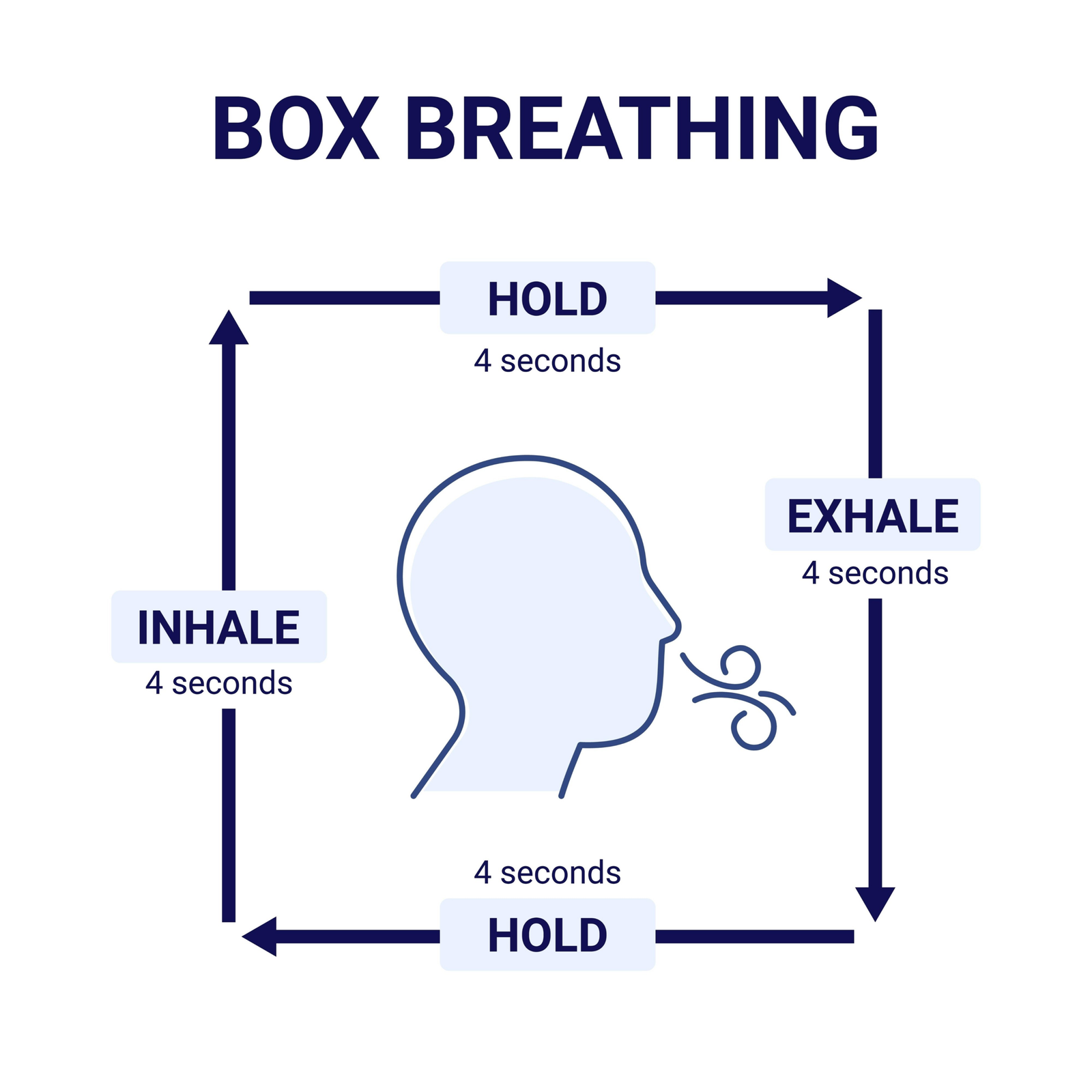
    • The Zen Bull Move: I recognized the Monkey’s voice. I didn’t fight him; I just sat him down and did four rounds of 4-4-4-4 box breathing.

    • Journal Entry: Today I learned that silence is a trading strategy. Doing nothing is often the hardest trade to execute.

    • Result: Position is active. Capital is preserved. Mind is calm.

    • The “Zen Bull” Take: > “The FOMO Monkey trades the price; the Zen Bull trades the plan.”

    Box Breathing Technique

    “I am a practitioner of awareness, not a victim of the ticker.”

  • Oculis (OCS) Investment Strategy: Following Smart Money Moves

    Oculis (OCS) Investment Strategy: Following Smart Money Moves

    I saw the heavy buying, I felt the optimism, and I made a choice. This isn’t just a trade; it’s a bet on the ‘hidden’ signals that most retail traders ignore. Here is why I’m not selling Oculis yet.”

    Why I’m Betting Big on Oculis (OCS): Riding the Institutional Wave

    I’ve been watching Oculis Holding (OCS) closely, and something big is happening behind the scenes. If you’ve been following my journey here on Omstock.com, you know I don’t just look at charts—I look for where the “Smart Money” is moving.

    Right now, OCS is seeing some very heavy buying. We aren’t just talking about retail traders; respected institutions like Aberdeen Group and SR One Capital have been loading up on shares recently. In the world of biotech, when the big players start “packing in” like this right before a major meeting or clinical update, it usually means one thing: They know something.

    My Thesis: High Conviction, Unlimited Upside

    There is a massive amount of optimism that the upcoming results (like the Phase 3 DIAMOND trials) are going to be positive. These big buyers aren’t looking for a quick $2 profit; they are positioning themselves for a major move.

    Because I have such high conviction in this institutional “insider” signal, I’ve decided to change how I’m playing this trade:

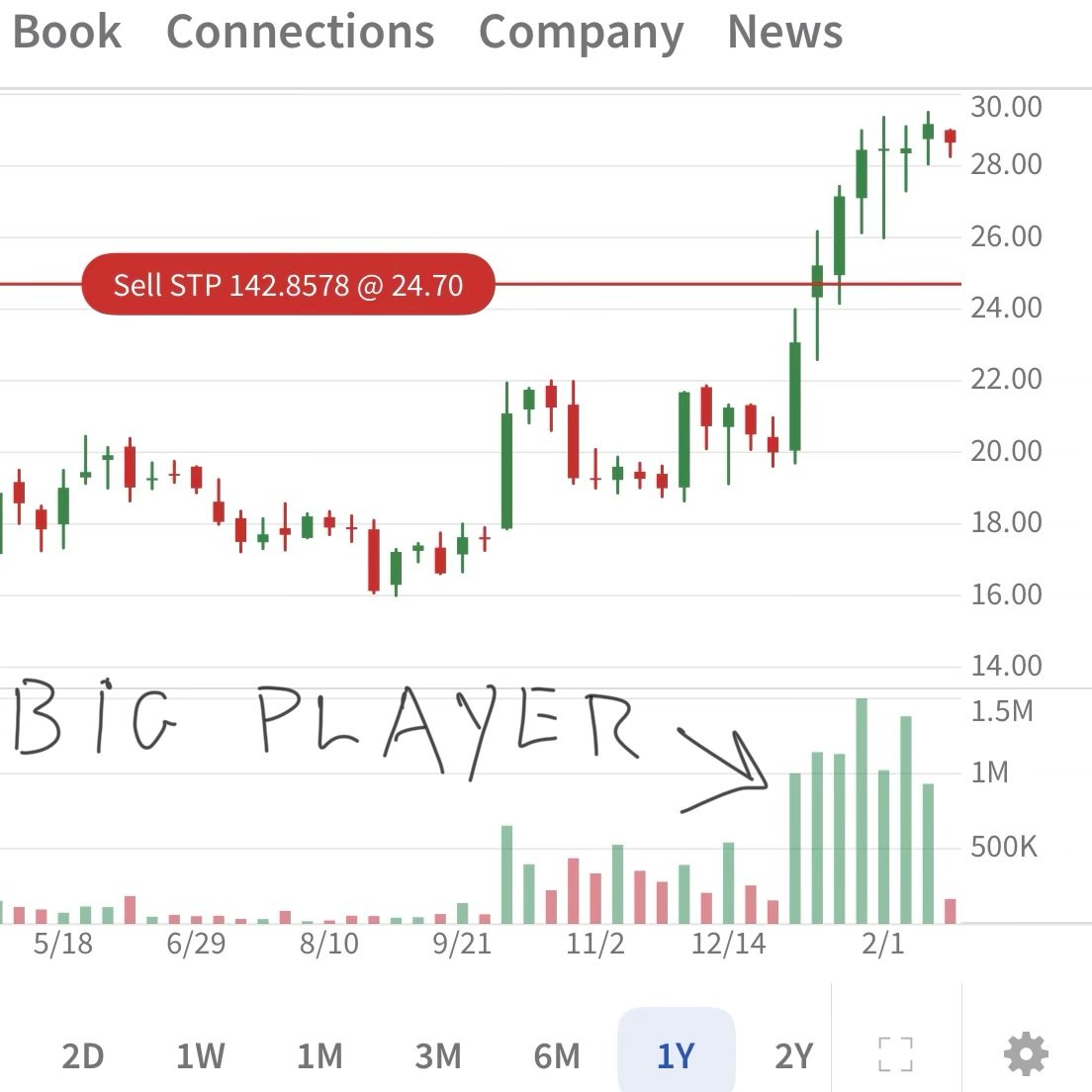
    • No “Profit Taker”: I am keeping my selling price completely open. Why cap my gains at $35 or $40 if this stock has the potential to rocket much higher on a clinical breakthrough? I want to see how far the big money can take this.
    • The Safety Net: While I’m staying optimistic, I’m not being reckless. I’ve set a Stop Loss at $24.70.
    • The Logic: This price (roughly 15% below the current peak) gives the stock enough “breathing room” to handle the usual biotech volatility while protecting me if the news isn’t what we expect. It sits right below the recent support levels where the institutions were buying.

    The Data: In Q4 2025, institutional buying ramped up significantly.

    • Aberdeen Group PLC: Added 493,827 shares (a 39.4% increase in their position).

    • SR One Capital Management: Added 318,522 shares (nearly doubling their stake with a 98.8% increase).

    • Total Ownership: Institutions now own about 22.3% of the company.

    The Bottom Line

    I am riding with the giants on this one. I’ve seen the heavy accumulation, and I’m betting on a positive outcome. I’m not selling early—I’m letting this one run until the market tells me the story is over.

    Stay tuned for the next update after the meeting. Let’s see if the “Smart Money” was right!

    The Catalyst:

    The Phase 3 DIAMOND trials are testing OCS-01, an eye drop for Diabetic Macular Edema (DME). Currently, DME patients often have to endure painful injections directly into the eye. If OCS-01 is successful, it would be the first non-invasive eye drop treatment for this $3B+ market. Topline results are expected in Q2 2026.

    Balancing the Risk

    Every biotech trade is a “binary event” (it either goes up 50% or down 50%). To keep it balanced:

    The Reality Check: While the institutional buying is a massive green flag, biotech is inherently volatile. If the DIAMOND trial results miss their primary goals, the stock could see a significant “drawdown.” This is exactly why I use a Stop Loss ($24.70)—it allows me to follow the big money without risking my entire bankroll on a single headline.

  • Trading Log: MSFT Analysis (Feb 16, 2026)

    This is a story about when I just watched from the sidelines, testing my thesis that the stock would go up to $400 and defend itself from crashing.

    Market Context: MSFT is testing a major psychological floor at $400. Indicators show the trend is currently bearish, but a “relief bounce” is possible if support holds.

    Entry Zone: ~$400.15 – $401.00 (Watch for the open)

    Stop Loss: $396.50 (Protects against a “flush” to oversold levels)

    Target 1: $404.50 (Friday’s high/Initial resistance)

    Target 2: $413.00 (Major structural resistance)

    Technical Note: RSI is at 41, meaning it isn’t “oversold” yet. MACD remains bearish. Patience is key; don’t chase if it breaks $398.

    The Tale of the Polar Bull and the Ice Shelf

    Bulls and Bears face off on the critical $400 support level, eyeing the $413 peak in a high-stakes Arctic standoff.
    Bulls and Bears face off on the critical $400 support level, eyeing the $413 peak in a high-stakes Arctic standoff.

    In the frozen lands of the North, there lived a Polar Bear named Ursus and a rare, frost-coated Bull named Taurus. They stood on a massive ice shelf—the “400-Foot Ridge.”

    For weeks, Ursus the Bear had been jumping on the ice, trying to crack it and send everything into the deep, dark waters below. Every time the ice groaned at the 400-foot mark, Taurus the Bull would brace his hooves, pushing back against the weight, refusing to let the shelf shatter.

    Right now, they are locked in a standoff. The ice is thin (the RSI isn’t quite at the bottom), and the winds are howling (the MACD is bearish). Ursus wants to see one more crack to $396, while Taurus is waiting for the morning sun to strengthen the ice so he can charge back up toward the $413 Peak.

    The Lesson:

    A wise trader doesn’t jump onto the ice while it’s cracking. They wait to see if the Bull’s hooves hold firm at the ridge, or if the Bear finally breaks the shelf.

    Closing Thought: Respect the Ridge

    “Trading isn’t about being right; it’s about being prepared. Whether the Polar Bull holds the line at $400 or the Bear cracks the ice down to $396, the plan remains the same.

    In this journey, we don’t gamble on hope—we execute on levels. If the ice holds, we climb toward the $413 peak. If it breaks, we step aside with our capital intact, ready to fight another day.

    The market doesn’t care about our opinions, only our exits. Stick to the playbook, watch the volume at the open, and I’ll see you at the closing bell.”

    Respect the Ridge: My $400 Call was Right

    I had a strong feeling about this one.

    As I sat watching the pre-market charts for Microsoft (MSFT) this morning, all the noise was about the 17% drop we’ve seen so far in 2026. The bears were growling about AI spending and FTC probes, but I kept looking back at that $400 mark.

    I called it the “400-Foot Ridge,” and today, the market respected it. At least this time, my intuition was spot on.

    The Playbook in Action:
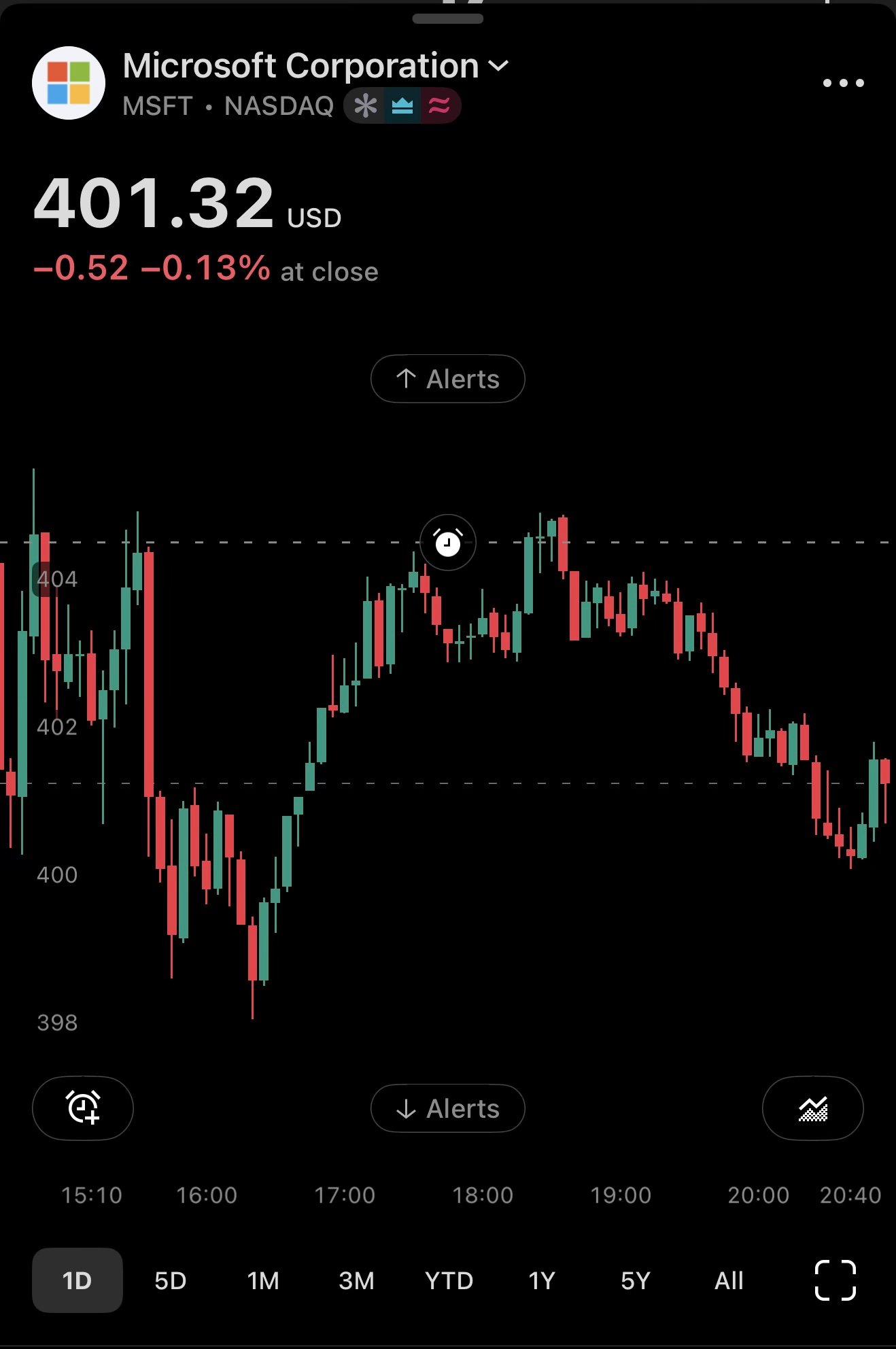
    • The Open: MSFT opened right at $401.32, holding steady as buyers stepped in to defend the floor.
    • The Validation: While the technicals like the MACD are still showing a bearish trend, the price action told a different story today. We didn’t see the “flush” that many feared.
    • The Discipline: My plan was clear—if we held $400, the target was $404.50. We reached an intraday high of $405.54 during the last session, proving that the bounce was real.

    My Takeaway

    Trading is often a battle between what you see on a screen and what you feel in your gut. Today, they aligned. Microsoft is trading at roughly 25x earnings, which is the cheapest it’s been in quite some time.

    It feels good to be right, but I’m staying disciplined. The $396.50 stop stays in place because the “Polar Bear” isn’t out of the woods yet, but for now, the Polar Bull is standing its ground.

  • My First $1,000 Trade: When the “Snow” Turned Red and My Mentor Stepped In

    My First $1,000 Trade: When the “Snow” Turned Red and My Mentor Stepped In

    The Thousand-Dollar Heartbeat


    They say you never forget your first real trade. I certainly won’t. I decided to move beyond the “paper trading” phase and invested $1,000 of my hard-earned money in First Majestic Silver (AG).

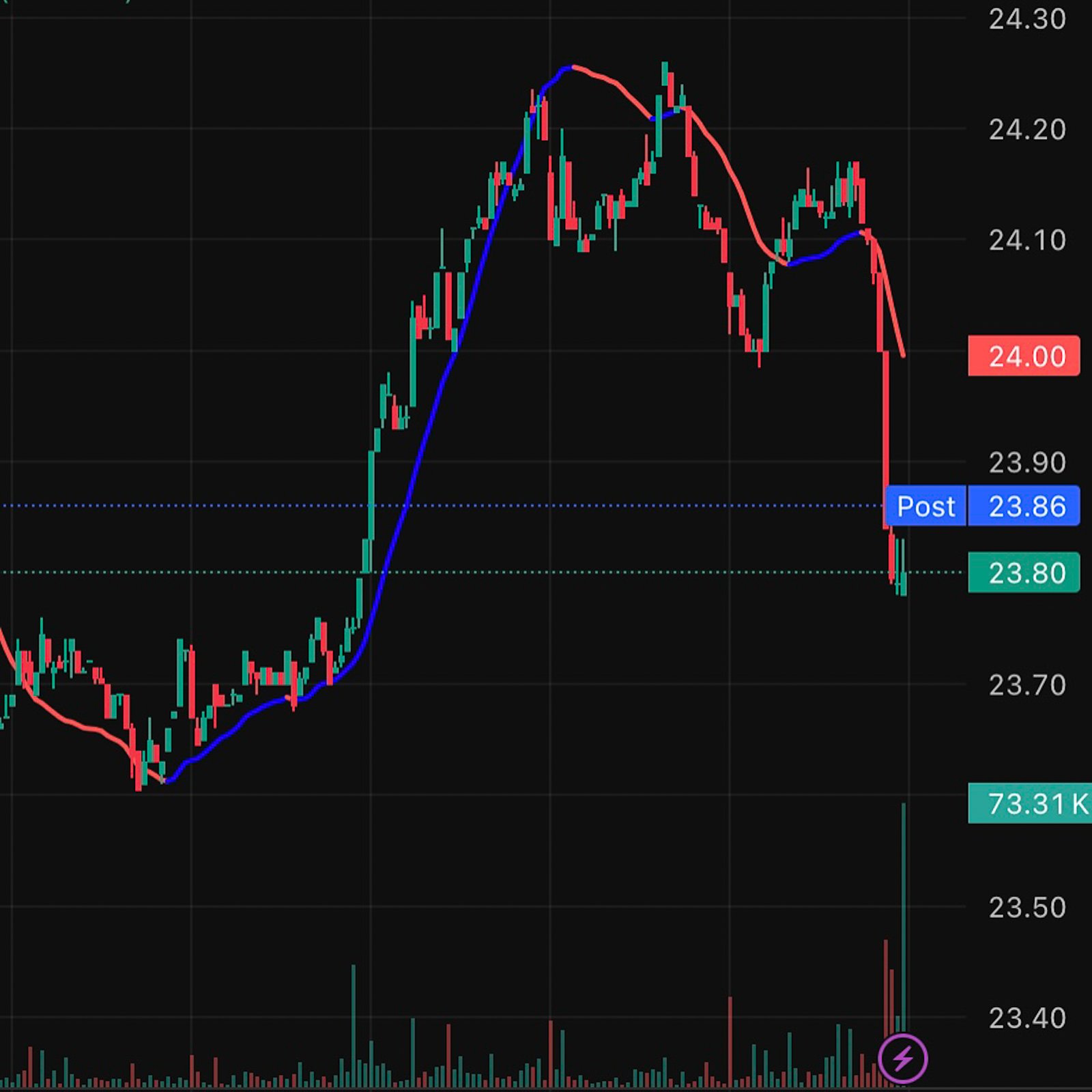
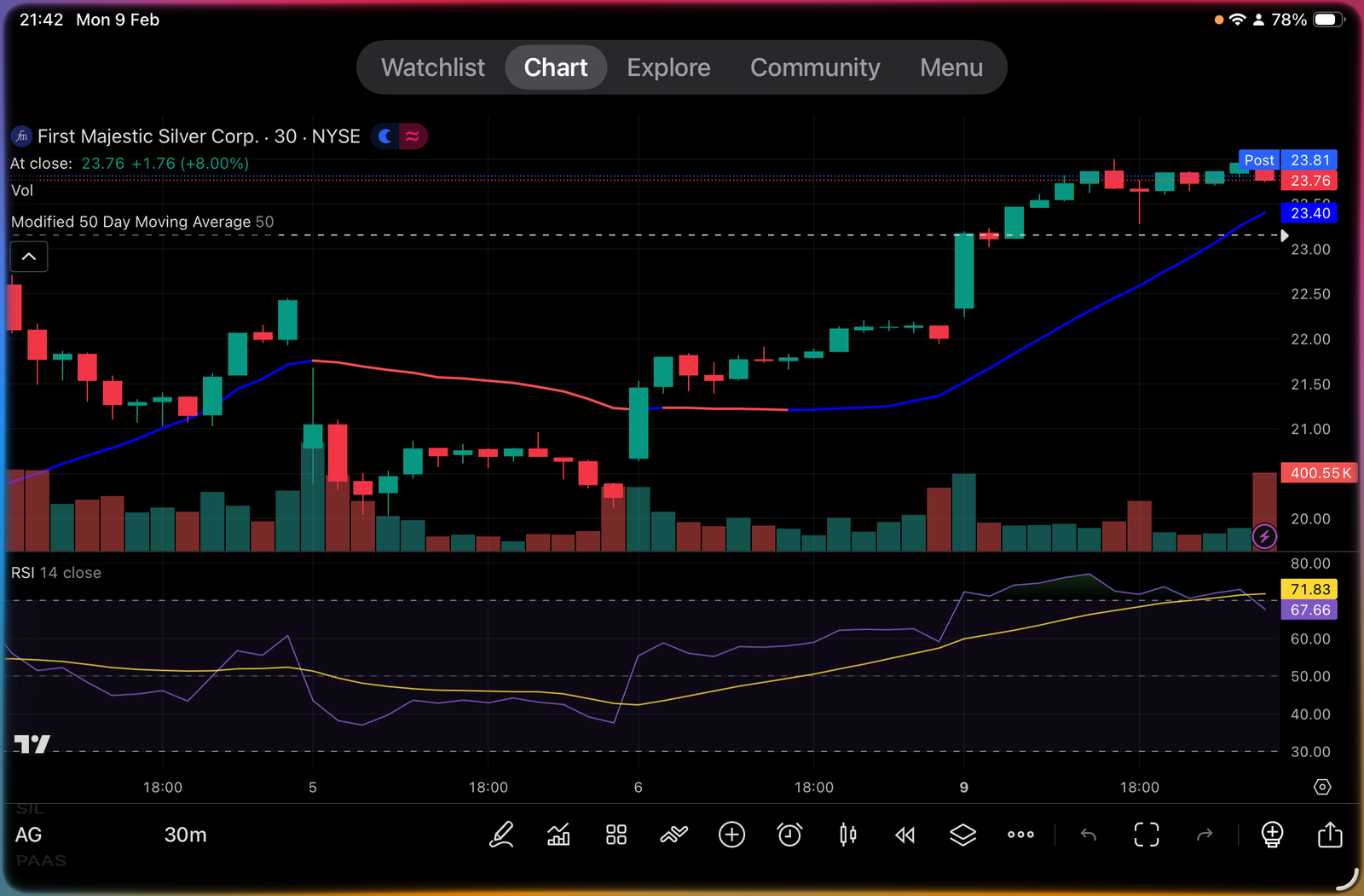
    When I noticed the price dropping to $23.67, my heart raced. In that moment, I realized that if I didn’t control my breathing, the market would control me.

    I used a technique I’ve practiced for years: Box Breathing.

    By taking four seconds to inhale, four seconds to hold, and four seconds to exhale, I forced my nervous system to calm down.

    I wasn’t just a trader anymore; I was a practitioner of Omstock. I stopped reacting to the red candles and started responding to my strategy.

    This is the “Mind Control” I plan to teach—because the biggest obstacle in any trade isn’t the stock; it’s the person behind the screen.

    Up until that moment, numbers on a screen felt like a game. But the second I hit “Buy,” something shifted. I felt it in my chest—a physical reaction. Suddenly, every tick of the price wasn’t just data; it was my money.

    When the “Snow” Turned Red

    I was watching the charts, and everything looked green. I was up about $22—not a significant amount, but a win nonetheless.

    Then, the market did what it does best: it changed.

    I saw a red candle with a long “fuse” (upper wick) pointing straight up. To me, it looked like a warning.

    The price dropped from $23.80 to $23.67 in an instant. That’s when the “Day Trader Panic” started to set in. My instinct was to run, but my Mentor stepped in to help me “read the snow.”

    Lesson 1: Mastering the Art of Scaling Out

    Instead of panicking and selling everything, my mentor and I discussed a strategic move: Scaling Out.

    • The Plan: Sell half of my shares (21 shares) to secure an $11 profit.
    • The Psychological Advantage: By securing that $11, I felt like I had “paid for my lunch,” making the remaining shares feel lighter and more manageable.

    Lesson 2: The Unexpected “Stop Loss”

    This is where the real learning occurred. My mentor advised me to set a Stop Loss at $23.33 (my break-even price) for the remaining shares. I believed this was a prudent safety net.

    However, I encountered a technical issue: The shares sold immediately upon submission.

    What I discovered: If the market price is already approaching your “Stop Price” when you submit the order, it triggers instantly.

    This was a “training wheels” mistake, but it was crucial in teaching me that in a fast-moving market, your safety net needs room to breathe.

    The Final Outcome

    By the end of the day, I had realized a profit of +€4.48.

    While this may not have been the thousands of dollars advertised in “get rich quick” YouTube videos, it was a significant victory. I successfully:

    • Navigated a $1,000 position without succumbing to emotional impulses.
    • Developed the ability to interpret “Price Rejection” on a 1-minute chart.
    • Managed a technical error and still emerged in the green.

    My Advice to Aspiring Traders

    Trading should never be done alone. Whether it’s with a human mentor or an AI, having someone to provide logical guidance when emotions run high is the difference between gambling and trading.