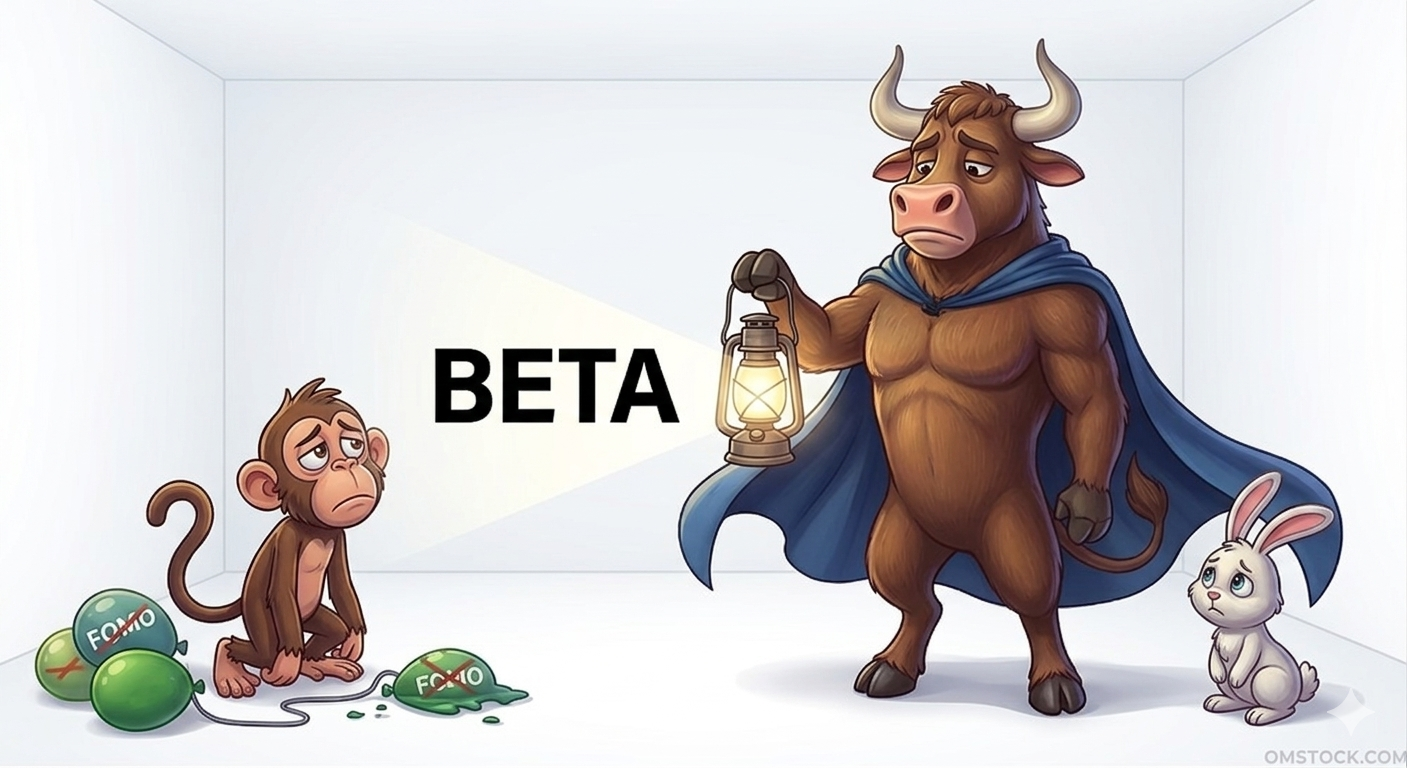
Sometimes, the market has a way of checking your ego, and yesterday, it handed me a classic lesson. I was stopped out of my Alcoa (AA) position, and in hindsight, it was a mistake on my part. Not because the trade idea was poor, but because I overlooked the “math of the swing.”
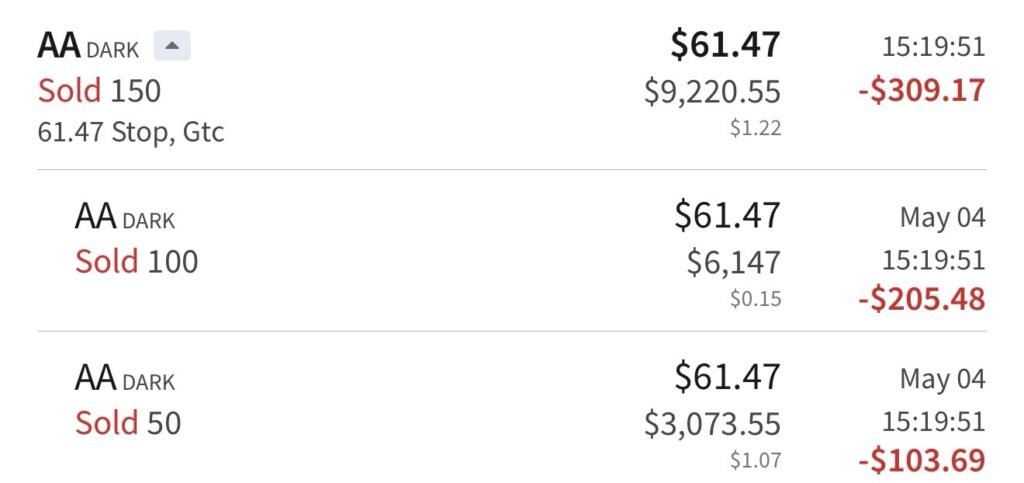
I was betting on a one- month recovery but set my stop loss as if I were trading a slow- moving utility stock. I forgot to consider the Beta.
What is Beta, and why did it affect my trade?
In my trading experience, I usually focus on the “Zen Bull” thesis—the overall picture. But the Beta number indicates the stock’ s volatility.
- Market Average: A Beta of 1. 1.0 means the stock moves in sync with the market.
- Alcoa’ s Beta: AA has a Beta of 1. 7.
This indicates Alcoa is 70% more volatile than the average stock. If the market sneezes, Alcoa catches a cold; if the market drops 1%, Alcoa could drop 1. 7%. By setting a tight stop loss on a high- Beta stock, I set myself up for a trap. The “noise” of a typical Tuesday morning was enough to trigger my exit, even though my one- month outlook was unchanged.
The Mistake: I didn’ t give the stock enough “room to breathe.” High Beta calls for a wider safety margin.
How to find Beta (Don’ t skip this step!)
If you’ re using Omstock. com, avoid the same mistake. Here’ s how to find Beta before investing:
- Your Broker App: Many professional platforms like Interactive Brokers display Beta in the “Key Statistics” or “Instrument Details” section for any stock.
- Financial Sites: Visit Yahoo Finance or Google Finance, input the ticker (e. g., AA or CCJ), and find Beta listed under ” Beta (5 Y Monthly) ” on the main summary page.
- The “Vibe” Check: A Beta above 1. 1.5signals a “jumper”- expect larger swings.
Moving Forward
I won’ t let the FOMO Monkey influence me after this stop- out. I see this as a lesson for my Omstock journey. Next time, I’ ll check the Beta first and adjust my position size so I can handle a wider stop without risking too much.
The Zen Bull remains calm, even when clipped. Onward to the next trade.