Tag: Zen Bull

  • Transitioning from Scalps to Swings: The 8-Day Road Strategy

    Transitioning from Scalps to Swings: The 8-Day Road Strategy

    The Pivot

    “For the next eight days, I’ll be on the road for work. In this business, if you can’t give the 5-minute chart your 100% focus, the mechanical ‘One Candle’ scalping method stays on the shelf. Instead of sitting out, I’m shifting my capital into the Ross Givens ‘Insider’ Swing Method.”

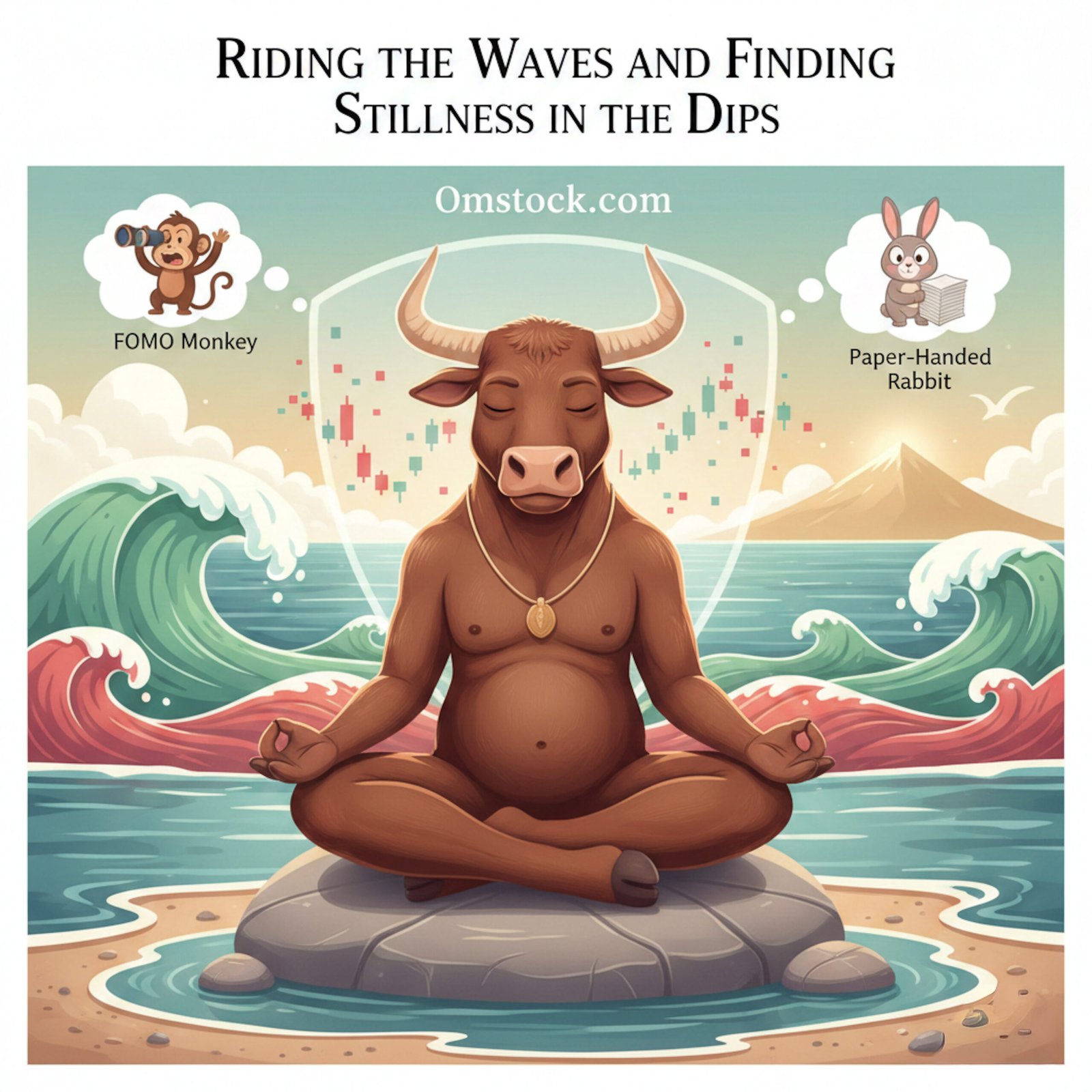
    Leaving the FOMO Monkey and Paper-Handed Rabbit Behind

    “Trading while traveling is the ultimate test of mindset. To make this work, I have to leave two characters behind at the trailhead:

    • The FOMO Monkey: When I’m away from the screen, the Monkey wants to whisper that I’m ‘missing the big move’ or that I should chase a price because an alert went off. I don’t listen. My ‘Buy Stop’ orders are already set. If the market doesn’t come to my price, I don’t chase the market.
    • The Paper-Handed Rabbit: When you aren’t staring at every tick, it’s easy to get spooked by a minor pullback and jump out of a trade too early. The Rabbit lives in fear. On this trip, I trust the ‘Insider Floor.’ My stop losses are hard-coded. I let the trade breathe while I focus on the road.”
    The Logic: Following the Smart Money

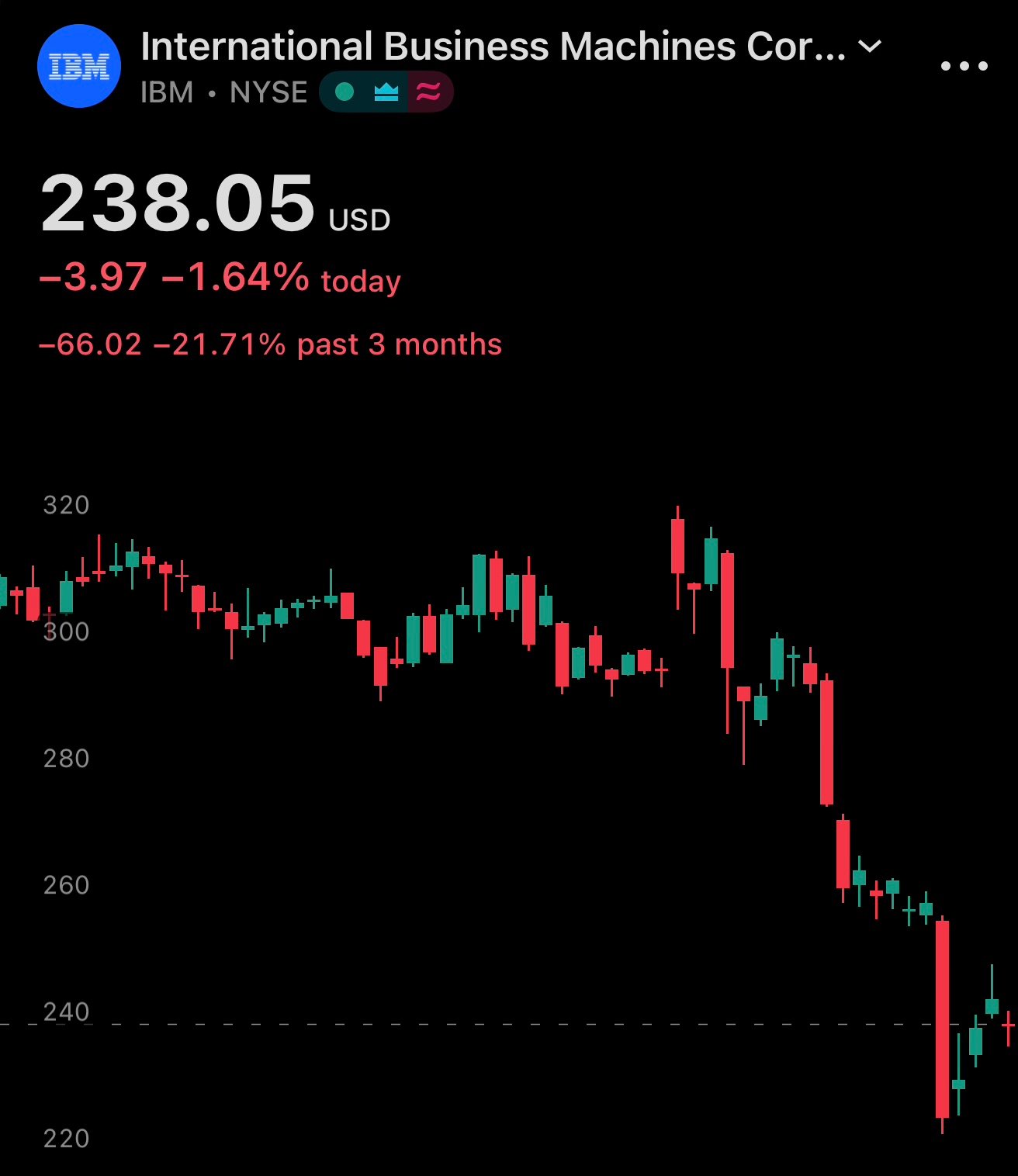
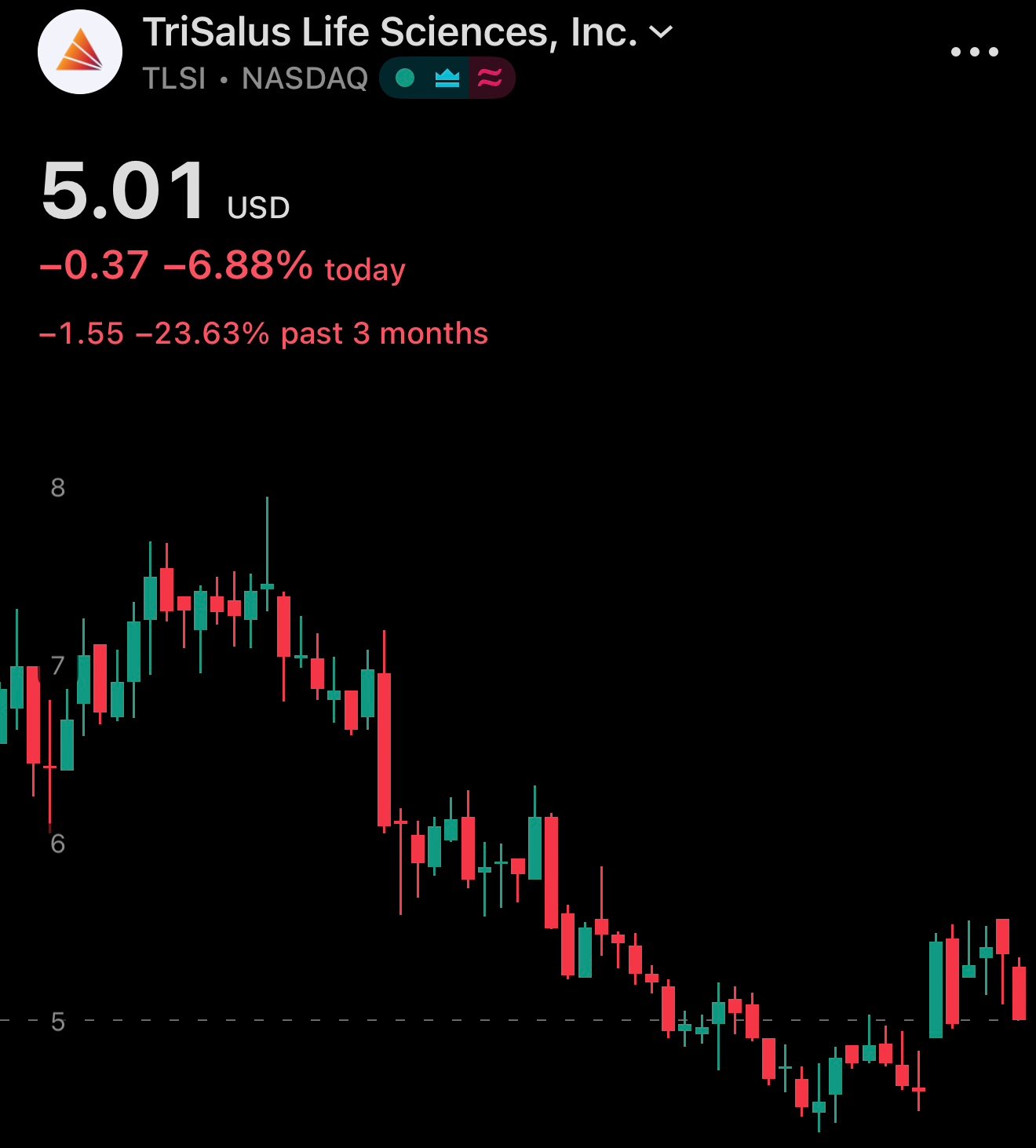
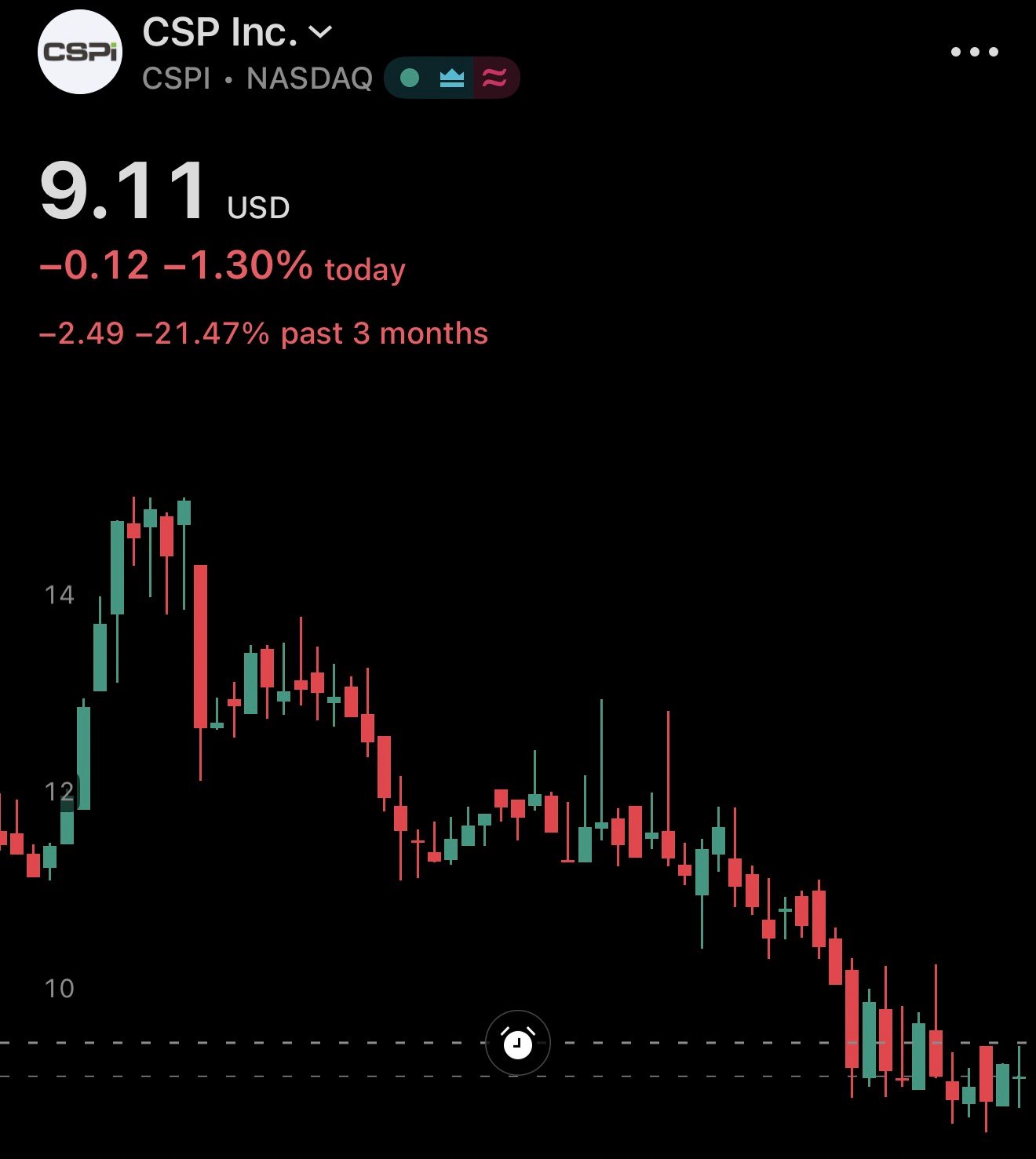
    “I’m looking for the ‘Coiled Spring’—stocks trading at a low level where the people running the company are buying with their own money. I’ve identified IBM, CSPI, and TLSI as the primary watches. By setting ‘Buy Stop’ orders above the current consolidation zones, I ensure the market proves it’s ready to break out before I risk a dime.”
    The Preparation

    “Being on the road requires a different kind of discipline. To keep my focus sharp and my energy steady, I’m sticking to high-protein, low-GI fuel like peanuts. It provides the long-burn energy needed for the day and the magnesium needed for recovery at night.
    Stabilize the body, and the trades follow. No Monkey, no Rabbit—just the Zen Bull.”
  • Riding the Waves and Finding Stillness in the Dips

    Riding the Waves and Finding Stillness in the Dips

    The market must breathe before it can run. Don’t let a micro-movement steal your macro-conviction.

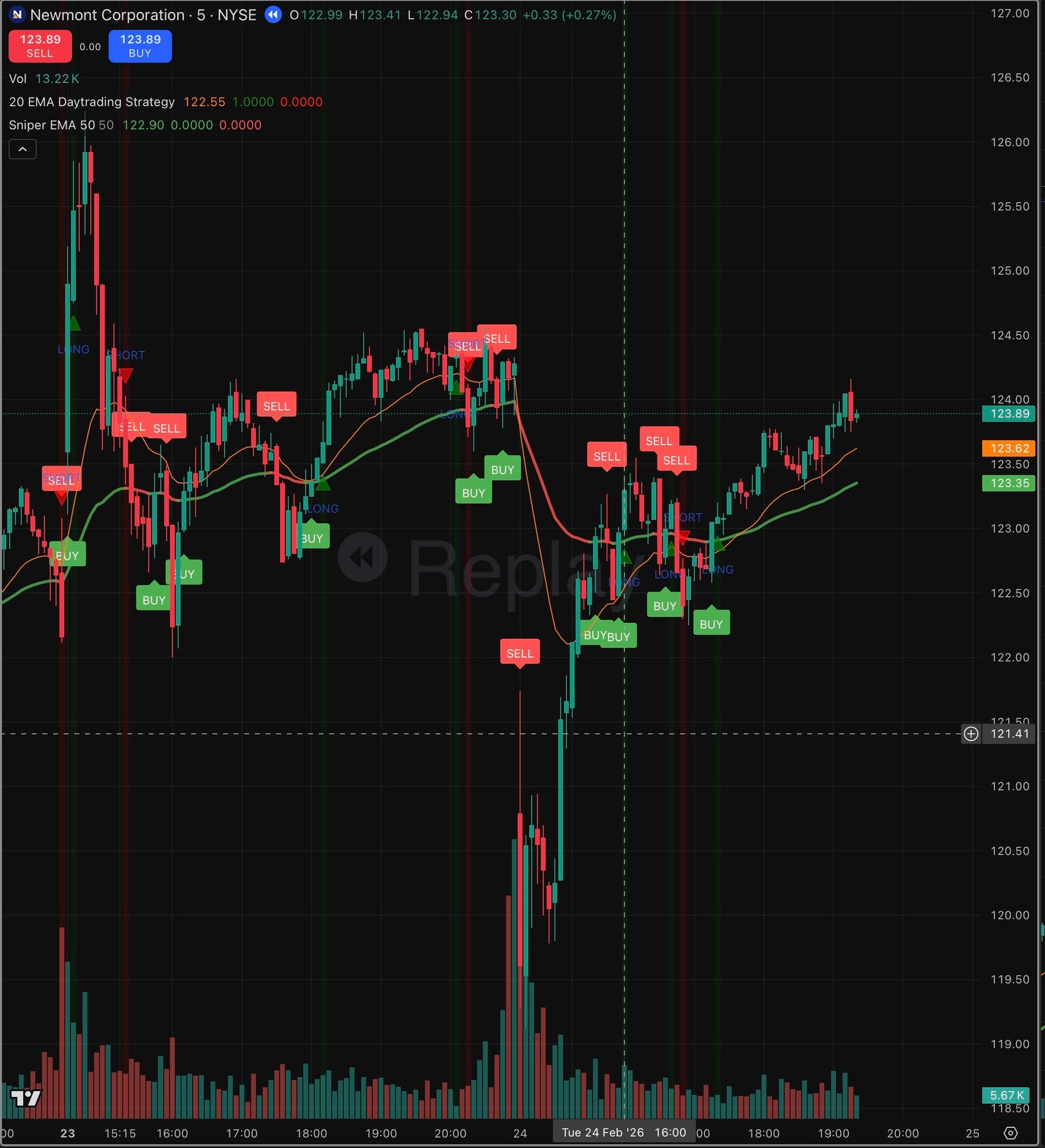
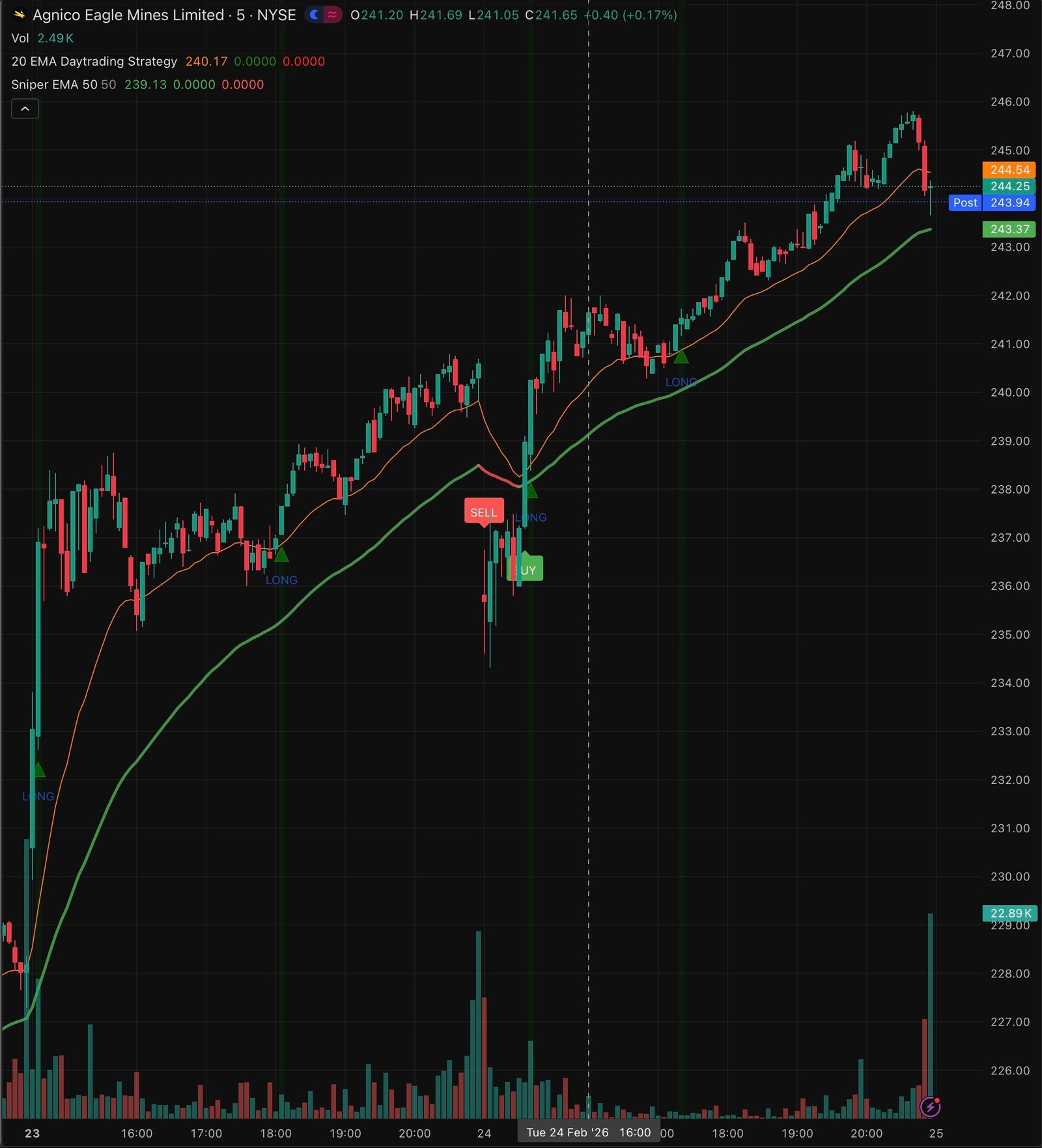
    I was looking at two charts yesterday that I’d traded the day before. I’d walked away with a modest profit from day trading, but seeing them rise again—mimicking the previous day’s gains—hit me with a flicker of regret. I’d missed the second wave. It’s clear these assets are in a “wavy” cycle right now.

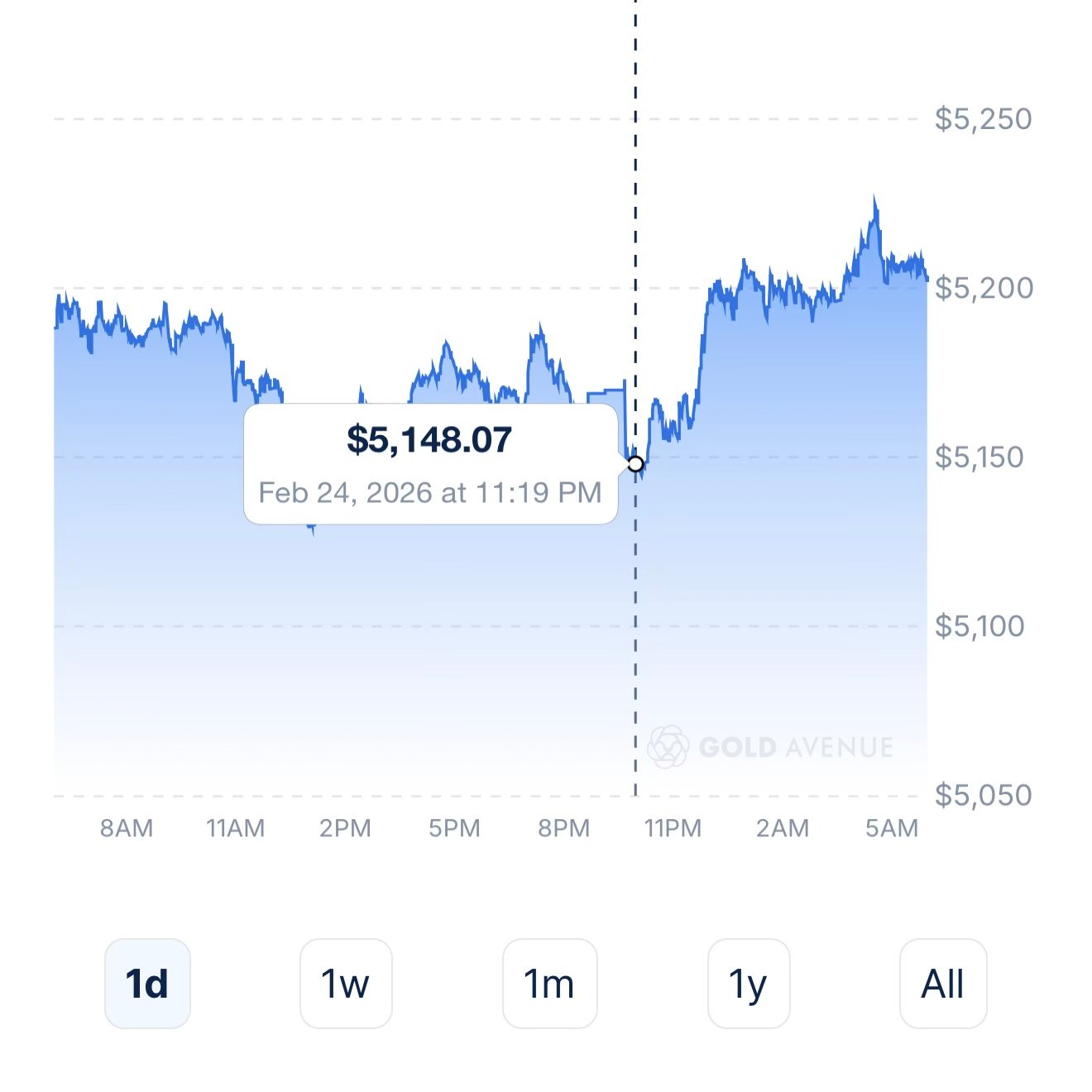
    Then, I turned my attention to gold. My mentor’s thesis is clear: gold is headed up, and when it moves, it will pull the mining companies with it. But in the moment, gold dipped. Even though I believe in the long-term play and the global tensions supporting it, that small downward swing sparked a moment of unease. I found myself questioning: Is it going lower? Did I miss something?

    Gold eventually recovered and moved back up, but the experience was a reminder of how easily micro-movements can affect your psychology. This is where awareness becomes the ultimate tool. Even when you have skin in the game and a firm belief in the asset, those small swings can still reach you. The challenge isn’t just predicting the market; it’s defending your peace of mind against the noise.

    The Zen Bull’s Lesson: How to Defend Your Peace

    If you find yourself feeling that “uneasiness” during a minor dip, here is how to stay grounded:

    • Zoom Out: Micro-movements are just the market breathing. If your long-term thesis (the global tension) hasn’t changed, the price wiggle shouldn’t change your mood.
    • Identify the Characters: Is the FOMO Monkey telling you that you’re losing out? Is the Paper-Handed Rabbit trying to make you jump too early? Recognizing these internal voices takes away their power.
    • The Cost of Admission: Volatility is the price we pay for the eventual “shoot up.” You cannot have the peak without sitting through the valley.
    • Label the Feeling: Instead of saying “I am worried,” say “I am observing a feeling of worry.” This small shift in awareness keeps you from acting impulsively.